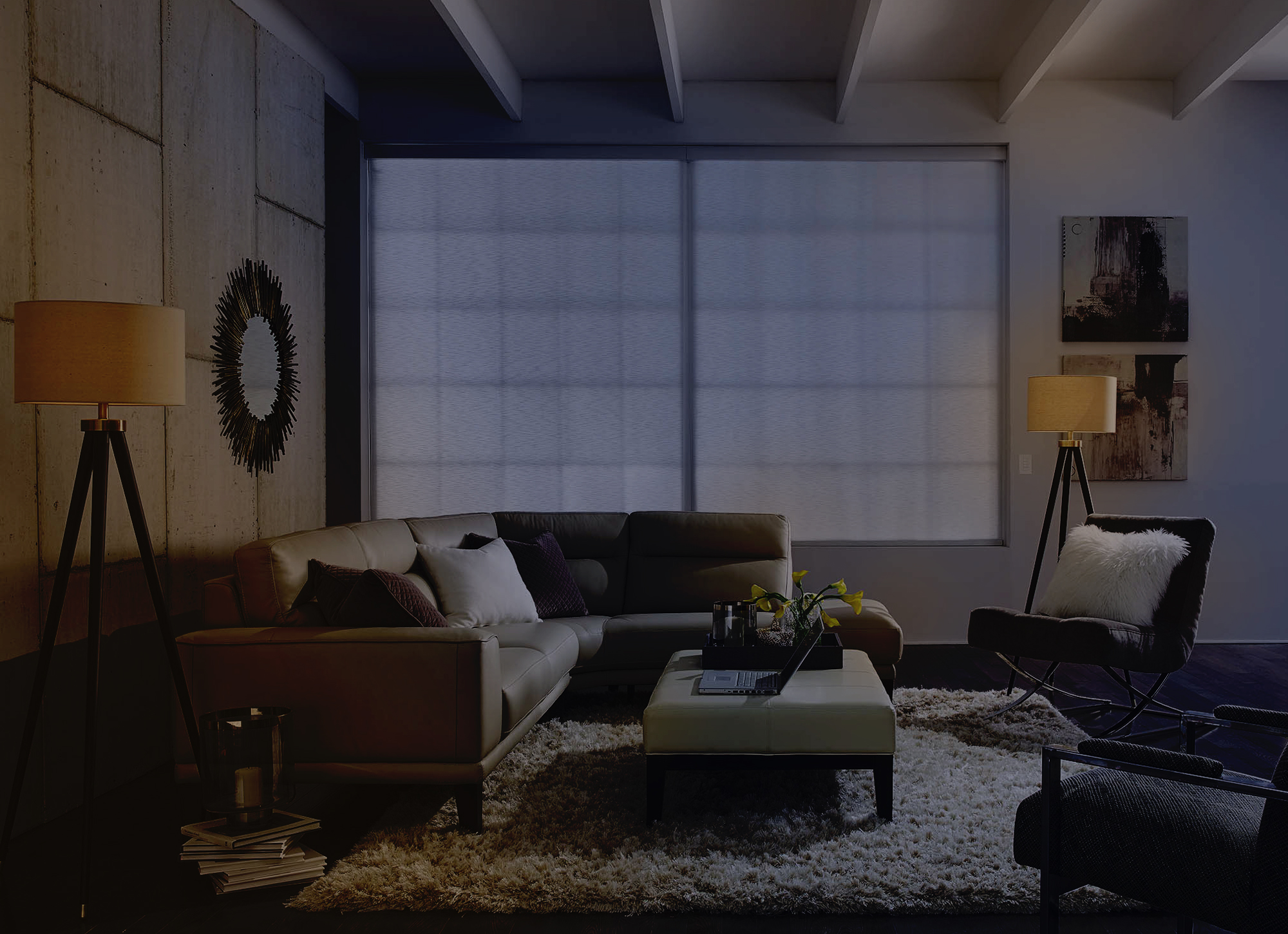
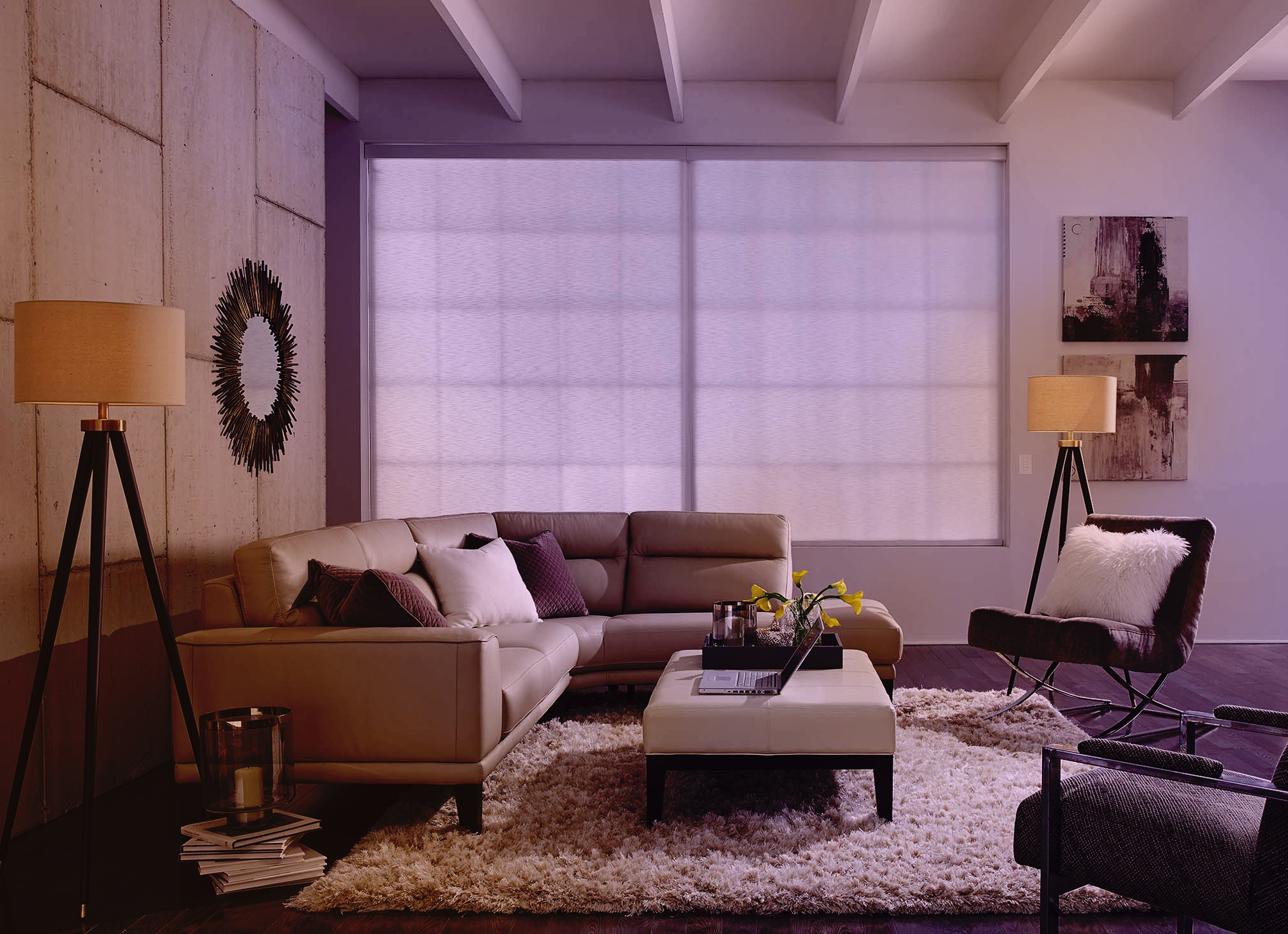
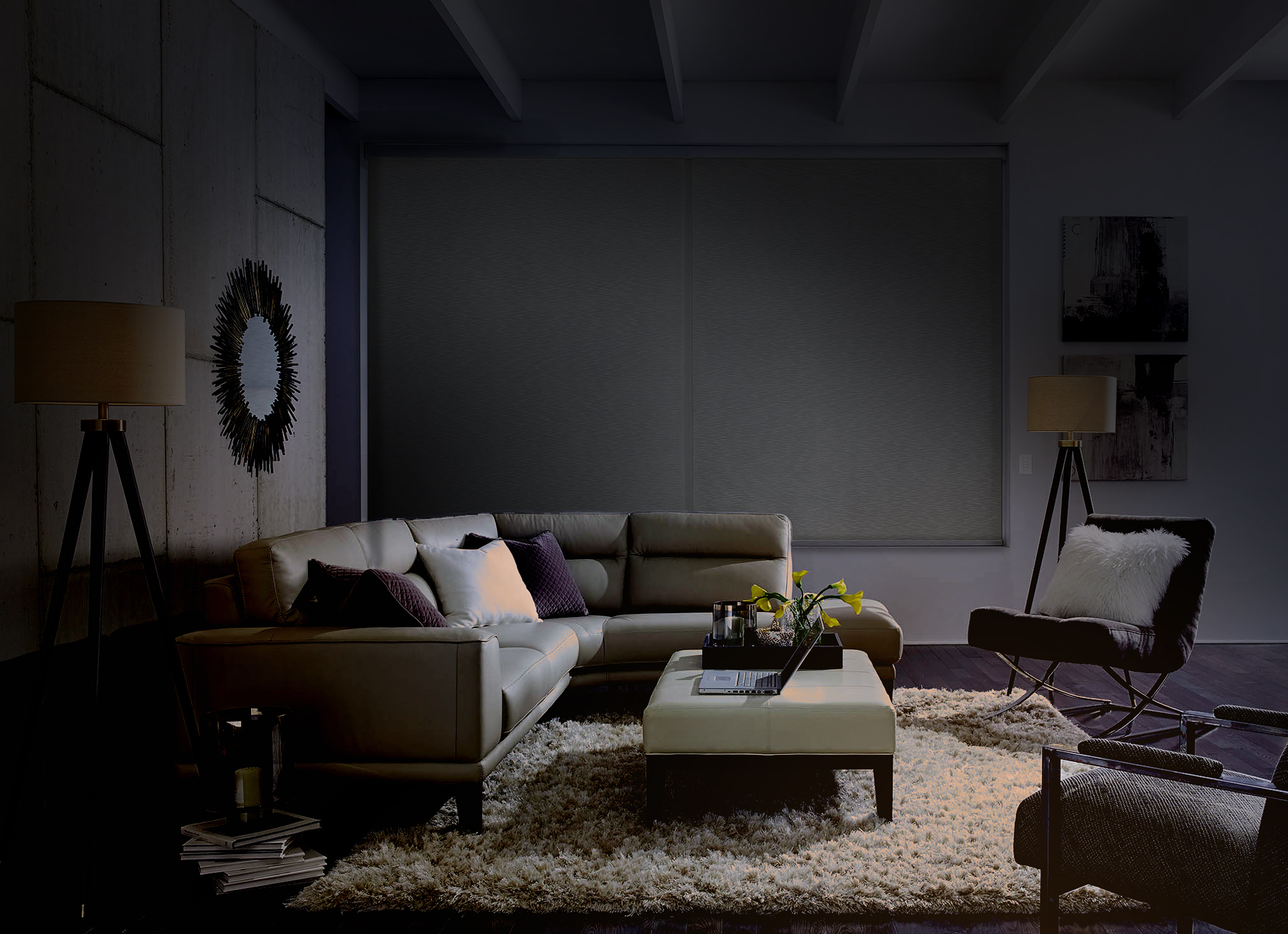
Transform Your Home with Purposeful Lighting Design in Austin & Houston, TX
Residential Lighting Design
Why hire a lighting designer?
Hiring an independent residential lighting designer and Lutron installer can be a smarter choice than leaving lighting decisions entirely to other trades. Electrical engineers, architects, and interior designers each play an important role, but when lighting becomes a secondary responsibility, opportunities are often missed. A dedicated lighting designer brings focused expertise across technical, scientific, and aesthetic disciplines to create a solution tailored to your Austin or Houston home.
-
Experts in the latest home lighting and control technologies through ongoing training
-
Refined techniques that turn invisible light into a dynamic part of architectural design
-
Specialized knowledge of physics, optics, electricity, codes, and environmental impact
-
Equipment costs reduced through competitive bids and manufacturer partnerships
-
An initial cost analysis that identifies lighting techniques to help reduce equipment and labor costs
-
Detail-minded professionals crafting innovative designs attuned to your home and lifestyle needs
Architectural Lighting Fixtures
For a successful layered lighting design to work, you’ll want to incorporate a wide range of lighting fixtures throughout your space rather than relying only on general ceiling lighting. In Austin and Houston homes, that often means designing for open-concept layouts, soaring ceilings, and strong connections between indoor and outdoor living areas. Through a thoughtful mix of high-end pendants, downlights, and track lighting, our designers ensure even, layered lighting that adds depth, dimension, and beauty to your home while supporting everyday activities. Each fixture type plays a distinct role in the overall experience of the space. Explore how each model has a role in enhancing your overall space.

Linear Pendants
Pendant lights available in a wide range of colors and finishes add a striking design element while supporting ambient or task lighting needs. Transform your interior with elegant fixtures hanging from the ceiling or integrated within a track lighting system.

Downlights

Retrofit Downlights

Track lighting
Lighting Control

Interfaces

Processor

Dimming Panels

Smart Dimmers/Switches
Lighting Design and Control System Integration
Beautiful lighting design is only part of the experience. To feel effortless day after day, each layer of light should work in harmony with a properly planned control system. That integration allows a room to shift with the moment, whether you want bright task lighting in the morning, a softer entertainment scene in the evening, or subtle architectural lighting after dark. It also helps the home respond more gracefully to the strong sun, shifting daylight, and long warm evenings common in Texas.
This relationship is especially important in larger custom homes, open-concept floor plans, and indoor-outdoor spaces common across Austin and Houston. Instead of treating fixtures and controls as separate decisions, we coordinate them from the start so the finished system feels consistent, intuitive, and tailored to the home. The result is lighting that not only looks exceptional, but also responds beautifully to the way you live.

1,700 K
2,700 - 3,300 K
4,100 - 4,150 K
5,500 - 6,000 K
6,500 K
15,000 - 27,000 K
1,850 K
3,000 K
5,000 K
6,200 K
6,500 - 10,500 K

1,700 K
2,700 - 3,300 K
4,100 - 4,150 K
5,500 - 6,000 K
6,500 K
15,000 - 27,000 K
1,850 K
3,000 K
5,000 K
6,200 K
6,500 - 10,500 K
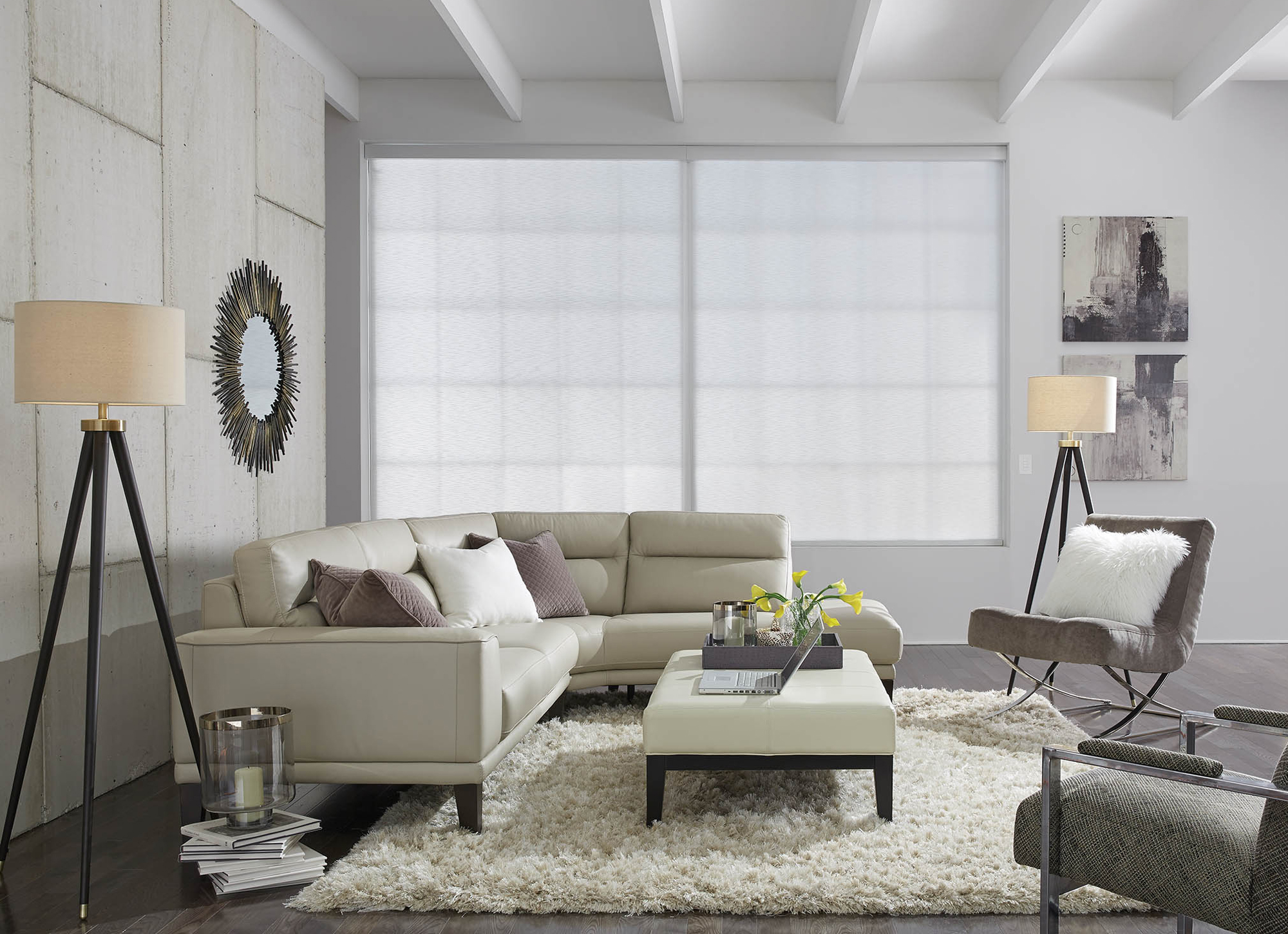
Essential Layers of Light
You risk strained eyesight, obtrusive shadows, and rigid spaces with a one-tone lighting design. Leverage ambient, task, and accent lighting for a visually balanced and flexible space.
Ambient Light
Task Lighting
Accent Lighting
-
Daytime
Keep to your workday schedule with a “Daytime” lighting scene that automatically activates at 9 am every day. As you head into your home office, bright white-blue ambient lights and desk lights greet you for optimal focus and concentration.
-
Bedtime
As you head to bed at the end of the day, prepare for restorative sleep with a “Bedtime” lighting scene you can activate from a bedside remote or tablet. Not only do lights dim gradually, but they switch to a warm, orange hue that induces relaxation.
-
Entertaining
Entertain in style with a “Party” lighting scene that activates lights in the kitchen and living room to a white-blue hue that keeps guests energized throughout the night. Add landscape lighting to the scene to encourage guests to gravitate to your beautiful outdoor spaces.
-
Movie Night
Transform your theater into the perfect viewing environment with a “Movie Night” lighting scene on your handheld remote or touchpad that dims recessed lights and decorative sconces while turning on floor track lighting for safe movement during the movie.
What is Circadian Lighting?
Various sectors, from healthcare to corporate environments, have begun exploring the potential benefits of lighting that follows the natural sleep-wake cycles of the human body. Known as circadian lighting, these strategically designed systems may support health, alertness, productivity, and overall comfort.
The concept of circadian lighting is based on the human circadian rhythm, a 24-hour internal clock. An area of the brain called the hypothalamus helps regulate this rhythm by receiving signals from the eyes that indicate when it is daytime and nighttime. In turn, it helps govern melatonin release to align sleepiness with darkness and alertness with light.

Research has suggested that light affects both visual and non-visual systems and that electric light can influence circadian rhythm. Circadian lighting is the idea that electric light can be used in ways that better support human health by minimizing disruption to that rhythm. Scientists have found that long-term exposure to certain wavelengths of blue light at specific intensities may negatively affect melatonin production.
This remains a relatively new area within the lighting industry, and the available research is still developing. At present, there are three electric-light approaches to circadian lighting systems: intensity tuning, color tuning, and stimulus tuning.

Intensity Tuning
Intensity tuning is the most familiar and cost-effective approach to circadian lighting. Fixtures maintain a fixed correlated color temperature (CCT) while brightness is adjusted through a controlled dimming system to correspond with the time of day. Light levels remain lower in the early morning, increase as the day progresses, and reduce again in the evening.

Color Tuning

Stimulus Tuning
Our Lighting Design Process
A successful lighting design begins long before fixtures are selected. Our process starts with understanding how your home is used, how natural light moves through the space, and which architectural and interior features deserve emphasis. From there, we develop a layered plan that supports beauty, comfort, and usability from day to night.
We also consider how the system will function once the home is complete. That means planning for dimming, scene control, color temperature preferences, and the way lighting should respond in key spaces like kitchens, great rooms, primary suites, and outdoor living areas. In Austin and Houston, where homes often blend indoor-outdoor living and serve multiple functions throughout the day, this early coordination helps create lighting that feels elegant, intuitive, and fully integrated.